Understand the Job of a Landscaper in Developing and Sustaining Lively Green Spaces
The job of a landscaper goes far past just how things look. The work involves mixing creative skill and nature-based rules to create long-lasting green spaces. Using precise plant selection and well-considered layouts, they enhance functionality while encouraging ecological diversity. However, the impact of their work goes much further than single land parcels. Recognizing the diverse duties of landscapers shows profound consequences for societal health and ecological stability. What factors truly drive their judgments in designing these vital outdoor areas?
The Craft and Discipline of Creating Landscapes
Many might consider landscape design as simply a quest for beauty, it essentially combines design and ecology to form balanced exterior settings. A accomplished landscape designer needs learn the details to grasp the rules of planning, such as equilibrium, scale, and flow, while also considering ecological factors. The incorporation of native plants, ground composition, and regional environments is critically important in forming long-term ecosystems.
Using artistic elements like color, texture, and form, landscape designers create visually appealing spaces that appeal to human emotions. In parallel, scientific knowledge guarantees that these designs are feasible and long-lasting, addressing issues like drainage, plant growth, and pest management.
Through this marriage of creative skill and ecological knowledge, landscapers transform ordinary areas into dynamic, useful spaces that enhance human well-being and encourage a bond with the natural world. Finally, landscape design is a contemplative activity that encourages a deeper appreciation for the surrounding world.
Key Abilities and Requirements of a Landscaper
To excel in the field of landscaping, individuals need to have a wide range of abilities and credentials that mix specialized expertise with real-world application. A strong understanding of horticulture is vital, allowing them to choose the right flora and know their cultivation needs. Proficiency in landscape design software is becoming more important, enabling designers to develop precise blueprints and mock-ups for patrons.
In addition, strength and agility are vital, as landscaping frequently requires heavy lifting, digging, and operating machinery. Communication skills are crucial, enabling landscapers to interact with clients and team members effectively.
Formal education in design principles or a related field can enhance a landscaper's professional standing, whereas credentials from reputable institutions can solidify their knowledge. In the end, a blend of these abilities and qualifications equips landscapers to provide attractive and useful outdoor environments, fulfilling the diverse needs of their clients.
Selecting and Sourcing Plants for Maximum Development
A landscaper's capacity to choose and source plants is critical for establishing successful exterior spaces. This process requires deep knowledge of horticultural science, environmental factors, and earth varieties. By analyzing the particular environmental context, landscapers can identify species that will thrive in the specific setting, leading to perfect cultivation and resilience.
Moreover, procuring flora from established suppliers or nearby cultivators is crucial. This not only guarantees the health and quality of the plants but further promotes eco-friendly methods. Landscapers frequently look at indigenous species, which naturally fit the local habitat and demand fewer resources, establishing them as a sustainable preference.
Furthermore, the selection process must account for variations across seasons, ensuring that the landscape remains vibrant throughout the year. By deliberately picking a variety of vegetation, landscapers establish beautiful areas while promoting biodiversity and environmental equilibrium, resulting in lasting exterior settings.
Developing Usable Outdoor Settings: Layout and Design
Designing usable outdoor environments requires careful consideration of planning and aesthetics to guarantee effective space utilization. A skilled landscaper combines visual beauty with usable features, enhancing the experience of the setting. Careful planning does more than optimize function but integrates seamlessly into the surrounding landscape.
Efficient Use of Area
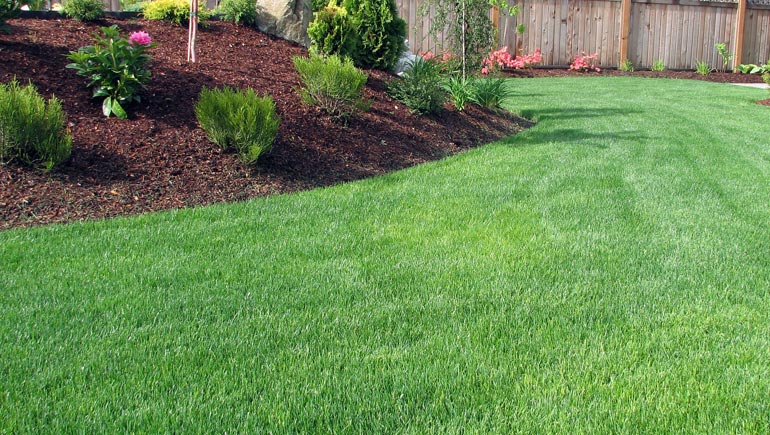
Though many residents view their outdoor spaces as only additions of their interior environments, smart space management changes these spaces into usable and welcoming areas. Landscapers serve a crucial function in assessing the specific measurements and characteristics of each space, guaranteeing that each segment is maximized for use and pleasure. Thoughtful layout and design integrate components such as walkways, places to sit, and plant beds that promote flow and engagement. Navarre Landscaper. By evaluating factors like sunlight, wind patterns, and existing structures, designers develop harmonious environments that cater to the lifestyle needs of the property owners. This thoughtful approach doesn't just improve usability but also fosters a sense of connection between indoor and outdoor spaces, turning them into integral parts of a unified lifestyle
The Harmony of Form and Use
Attaining a balanced aesthetic and functional balance in outdoor spaces necessitates thoughtful evaluation of both design elements and functional requirements. Designers need to assess the planned function of the space as well as the design aesthetics. As an illustration, creating a seating area should incorporate relaxing furnishings and making sure it complements surrounding plants and walkways. A well-planned arrangement allows for seamless movement, facilitating simple navigation and accessibility. Adding elements such as illumination, fountains, and a mix of plants enhances both visual appeal and usability. Furthermore, selecting resilient resources makes certain that outdoor spaces resist diverse atmospheric elements, keeping them operational over time. Ultimately, a successful outdoor design combines aesthetic pleasure with utility, fostering environments that encourage relaxation and satisfy the demands of users.
Why Environmental Sustainability Matters in Landscape Design
Ecological responsibility in landscaping is vital for protecting nature and promoting biodiversity. Via the selection of eco-friendly plant selection and using efficient water conservation techniques, landscapers can design exterior areas that are both beautiful and sustainable. This approach boosts the visual quality but also supports the long-term health of the local ecology.
Choosing Sustainable Plants
In what ways can designers help to a better local ecology through their selection of flora? When choosing indigenous and water-wise flora, landscapers have a vital function in supporting green practices. Navarre Landscaper. Native plants require minimal care, aiding regional fauna and minimizing the reliance on synthetic nutrients and chemical sprays. They establish deeper root systems, improving the ground quality and preventing erosion. In addition, using a wide selection of flora types fosters biodiversity, which is crucial to ecosystem resilience. Landscapers can additionally adopt organic practices, including composting and mulching, to further reduce environmental impact. Through careful plant selection, they not only create vibrant outdoor spaces but further the cause of the preservation of local ecosystems and the overall health of the environment
Methods for Conserving Water
Landscapers are key to boosting sustainability in outdoor environments by implementing effective water conservation techniques. One popular method is the use of xeriscaping, which involves selecting drought-resistant plants that need little irrigation. Additionally, landscapers are able to design efficient irrigation systems, like drip irrigation, which sends water directly to the plant roots, minimizing waste. Rainwater harvesting systems may also be included, making possible the collection and storage of rainwater for landscape use. Mulching helps retain soil moisture and decreases water loss, further supporting water conservation. Furthermore, landscapers are able to teach clients about appropriate watering schedules to ensure efficient use of water resources. By employing these techniques, landscapers play a vital role in promoting environmental sustainability while maintaining vibrant outdoor spaces.
Maintenance Practices for Thriving Landscapes
While many may view maintenance as a routine chore, it is vital for cultivating vibrant outdoor environments. Good upkeep methods ensure that landscapes are kept healthy and aesthetically pleasing throughout the seasons. Regular tasks include mowing, pruning, and weeding, which assist in promoting growth and deter pests and diseases.
Irrigation systems must be monitored and adjusted to make certain plants receive adequate water without wasted water. Mulching not only retains moisture but keeps weeds down, resulting in a cleaner appearance. Fertilization, when used carefully, provides crucial nutrients that support plant health.
Additionally, addressing drainage issues is essential to prevent waterlogging, which may harm root systems. Seasonal assessments enable landscapers to identify and address potential problems before they become serious. Through these thorough maintenance practices, landscapes can thrive, fostering environments that are both functional and visually appealing.
The Financial and Communal Benefits of Designed Landscapes
Although often overlooked, green areas are crucial in enhancing both economic importance and social well-being in local areas. Thoughtfully planned green spaces draw in commerce and raise real estate prices, as potential buyers often prioritize aesthetics and green spaces. Moreover, designed environments aid community commerce by offering locations for gatherings and leisure pursuits, promoting travel and neighborhood involvement.
Socially, these environments support emotional balance and physical condition, offering residents places to relax, exercise, and connect with nature. Green spaces and yards function as neighborhood centers, reinforcing social ties and encouraging community involvement. Additionally, well-maintained landscapes can reduce urban heat, boost atmospheric cleanliness, and support ecological diversity, resulting in improved life circumstances.
Ultimately, landscaped spaces not only beautify neighborhoods but also offer substantial economic benefits and nurture neighborhood connection, rendering them vital parts of successful neighborhoods.
Commonly Asked Questions
What Gear Do Gardeners Utilize Routinely?
Landscapers regularly use tools such as spades, garden claws, shears, grass cutters, and cultivators. In addition, they frequently use barrows, bush shapers, and edging machines to efficiently sculpt and care for green areas following planned requirements and customer wishes.
What is the Landscapers' Approach to Controlling Garden Pests?
Gardeners address infestations utilizing holistic methods, which involve recognizing harmful insects, applying organic or chemical treatments, encouraging helpful bugs, and putting in place precautionary steps such as suitable foliage choice and environment care to ensure green environments remain robust.
What Obstacles Are Typical for Landscaping Endeavors?
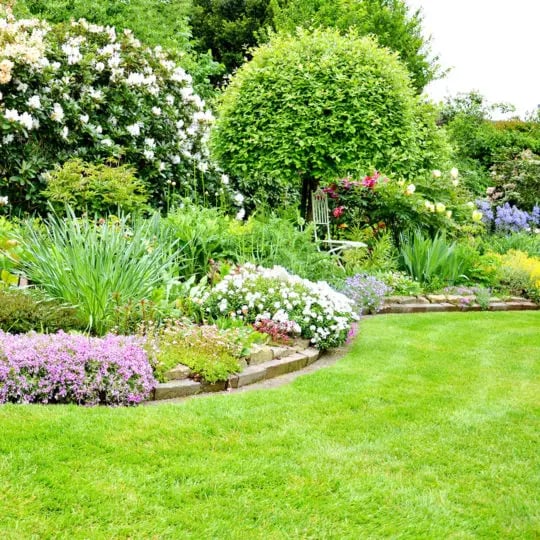
Landscape professionals frequently face issues including volatile atmospheric conditions, monetary restrictions, earth composition problems, pest invasions, and patron requirements. These factors can complicate project timelines and affect the overall success of the landscaping endeavor.
How Do Seasons Affect Landscaping Projects and Maintenance?
Seasonal changes heavily influence gardening efforts and care, as temperature, precipitation, and daylight hours influence plant growth, soil conditions, and pest activity. Gardeners are required to modify their plans as needed to secure favorable achievements year-round.
What is the standard timeframe for completing a landscaping project?
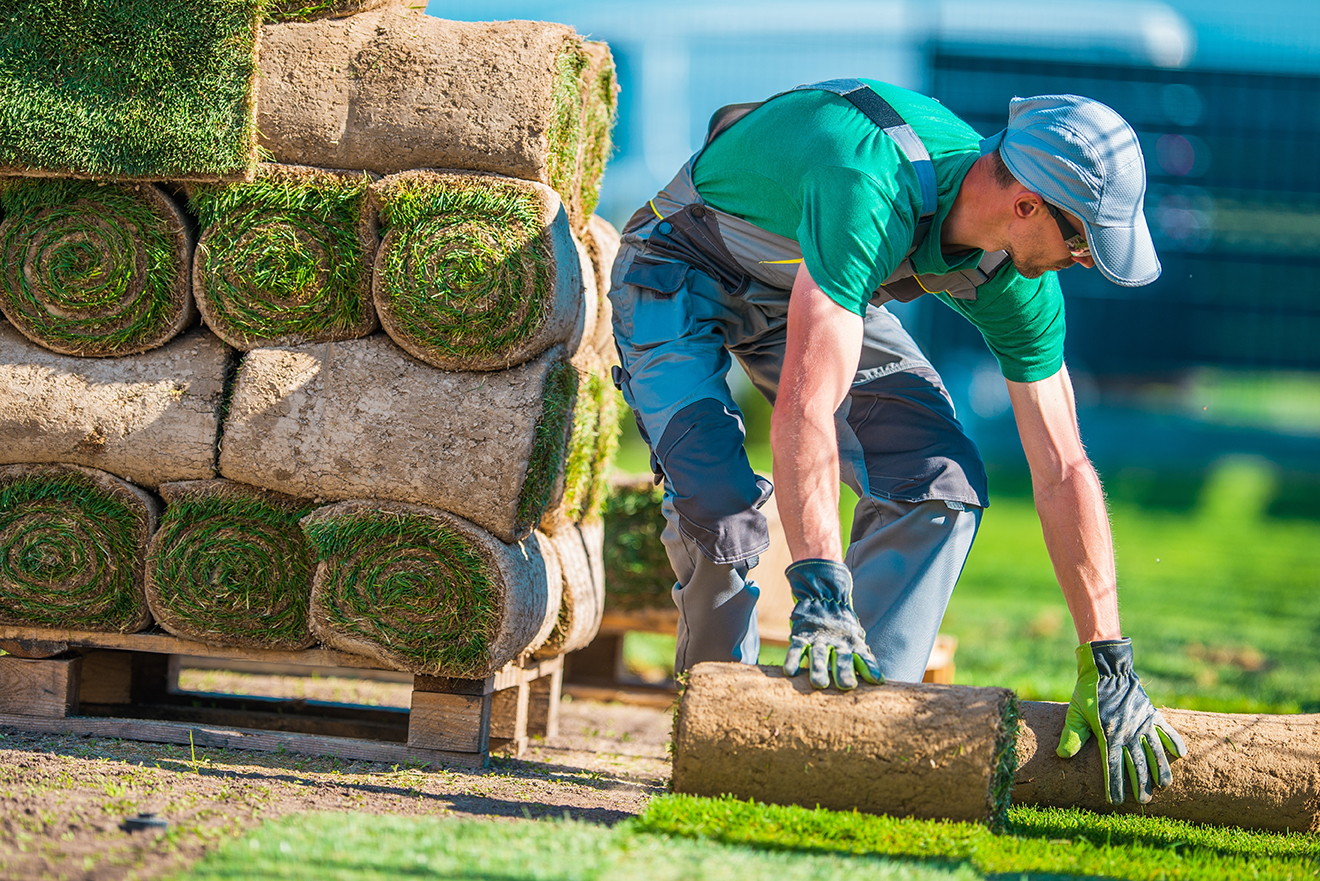
A average landscaping project duration can take anywhere from a couple of weeks to many months. Variables impacting the length involve project scope, weather conditions, and time of year, making necessary thorough planning and organization for successful completion.